
 Sale
SaleTile Tips
Choosing the right stone effect tiles
Stone effect tiles are a popular choice for homes of all styles and designs, thanks to their design flexibility and aesthetic benefits. But what should you consider when choosing the right stone effect tiles for your space? And how can this help you achieve perfect results?
What are the important considerations when choosing the right stone effect tiles?
There are a number of important considerations to take into account when it comes to choosing stone effect tiles for your property. These include:
Considering the space the tiles will be used in
- The size of the tiles
- The colour of the tiles
- The style of the tiles
- The tiling layout
- The grout colour
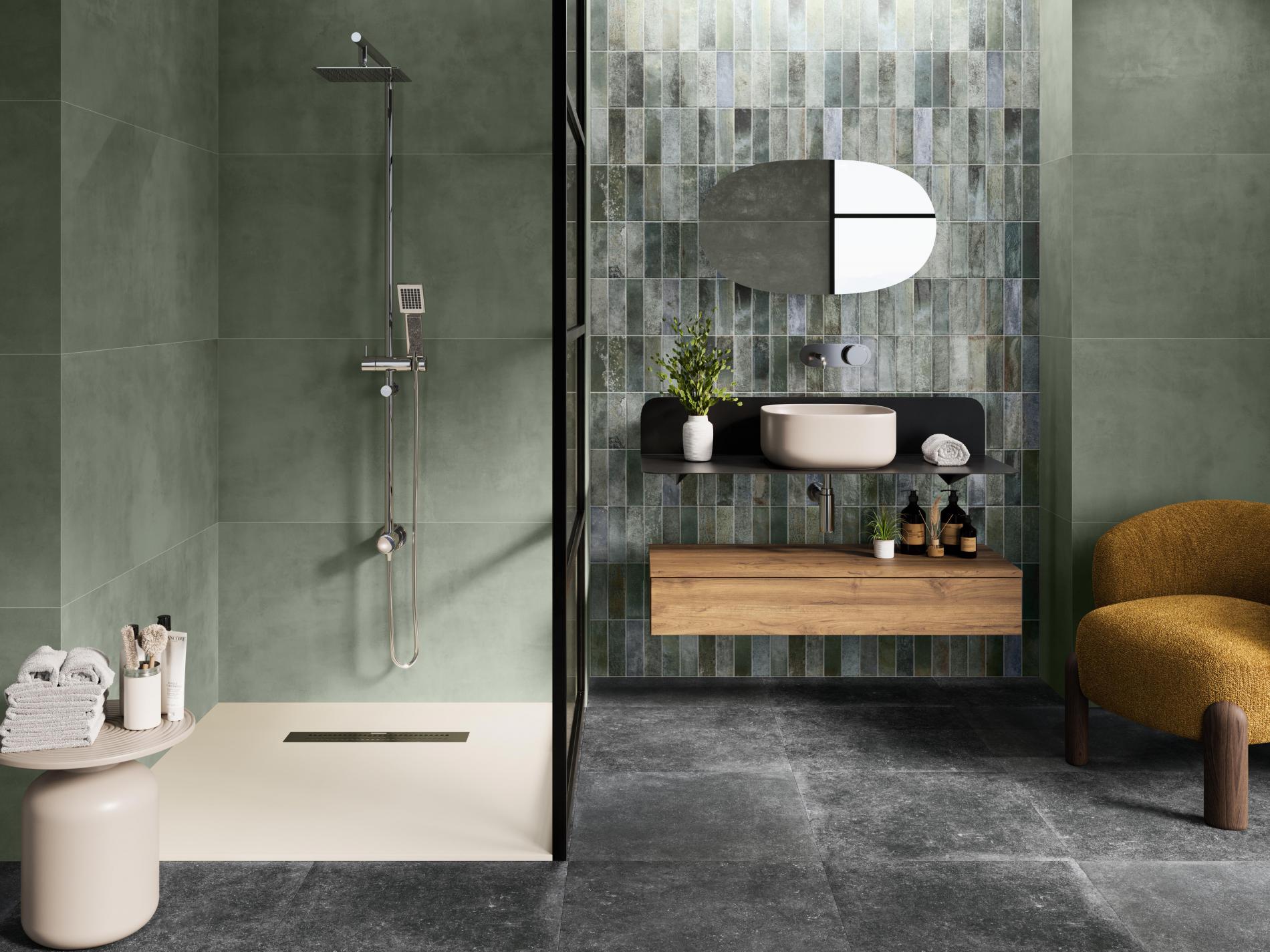
Consider the space the tiles will be used in
One of the first things to consider, before deciding on colours or finishes, is the space itself. In order to choose the right tiles for the space, there will be a number of factors to bear in mind. These factors can influence every other decision regarding your stone effect tiling. As such, you should consider:
The use of the space- the room that you will be tiling is important to consider. A bathroom and kitchen for example will need stone effect tiles that are light and bright to reflect the natural light and make the space feel brighter and cleaner. On the other hand, tiles for living rooms are able to be larger and make use of a wider range of tiling layouts.
The size of the space- the size of the room you will be tiling is an important factor to consider as smaller rooms can be perfect for small tiles, or large format tiles if you want to make the space feel larger. Large rooms can definitely benefit from large format tiles.
Consider the size of the tiles
Tile size is more important than you might think as this can affect the look, the feel, and even the installation process itself.
Large format tiles (60×60 cm or bigger) are great for open spaces. By installing these, you can reduce the number of grout lines overall, which can make the whole area feel larger and more seamless, creating a continuous tiling effect.
On the other hand, smaller tiles or modular layouts can give a more classic or rustic look, especially in country style kitchens or traditional bathrooms. These smaller options can be very effective for walls too.

Consider the colour for your stone effect tiles
Another important factor to consider is the colour for your stone effect tiles. While you may think that this is just for natural looking tiling, there are a wide range of colours and shades available. From earthy, muted neutrals, to greys, beiges, creams, charcoals, and soft browns.
Stone effect tile colours can also be combined including greys and charcoals, which pair well with minimalist furniture and industrial accents.
Beiges, creams, and warm browns are ideal for a softer, more traditional look. They bring warmth and cosiness, especially in living rooms or kitchens.
White and pale stone tiles can make small spaces feel bigger and brighter, which can be very effective for smaller bathrooms and en-suites.
Choosing the style for your tiling
One of the best things about stone effect tiles is that these are incredibly versatile. They can mimic every style of stone from rough cut slate to polished marble, so there’s the perfect stone effect tiling option for any space.
Rustic stone effect tiles often have a textured surface and natural looking edges. This can help to achieve a fantastic visual result in country homes, cottages, or spaces with exposed wood beams or shaker style kitchens.
Polished stone effect tiles, on the other hand, such as marble look tiles, bring a touch of elegance and luxury. These are ideal for bathrooms, hallways, or even feature walls.
Matt finishes for stone effect tiles give a more subtle, understated look and are usually less slippery, which is an essential factor for bathrooms, kitchens, and entrances.

Consider the tiling layout for stone effect tiles
The tiling layout you choose for your stone effect tiles is essential for creating the best possible results for your space. There are a number of effective options to consider, including:
- Straight lay tiling- simple and clean, this is where tiles are laid in straight lines. It works with most styles and is the easiest to install.
- Brick or staggered- This layout offsets tiles in each row, a bit like bricks. It softens the look and works especially well with rectangular tiles.
- Herringbone- Great for longer, rectangular stone effect tiles, this pattern adds real visual impact and works well in hallways or as a feature in a shower area.
- Modular patterns- These use a mix of sizes for a more traditional or rustic vibe. It’s a bit more complex to install but gives a lovely result.
Choosing the grout colour for your stone effect tiling
Finally, you should also consider the grout colour when using stone effect tiles. This is because the colour of the grout can change the whole look of your tiled area.
One option is to match the grout colour with the tile colour to create a seamless look. This works well with large format tiles.
Alternatively, contrasting grout that is darker or lighter than the tile itself can make the tile pattern stand out more. This is great for layouts like herringbone or brickwork where you want to highlight the pattern.
Neutral grout colours, like soft greys or warm beiges, are a safe and stylish choice for most stone effect tiles.
For more information or advice, get in touch with the team today, here at Tiles 2 Go. We are Preston’s leading tiling professionals. From kitchens and bathrooms, to hallways and living rooms, we have a range of tiles to suit any home, and any style.