
 Sale
SaleTile Tips
What are the benefits of continuous tiling?

Jul
Tiling is a key feature in both interior and exterior design, bringing functional as well as aesthetic benefits. Among the many styles and techniques available, continuous tiling, also known as seamless tiling, stands out for its ability to transform spaces with a refined, uninterrupted look. This method is becoming increasingly popular for all interior design staples, from the most contemporary to the most traditional. But what does this involve? And what are the benefits of continuous tiling?
What is continuous tiling?
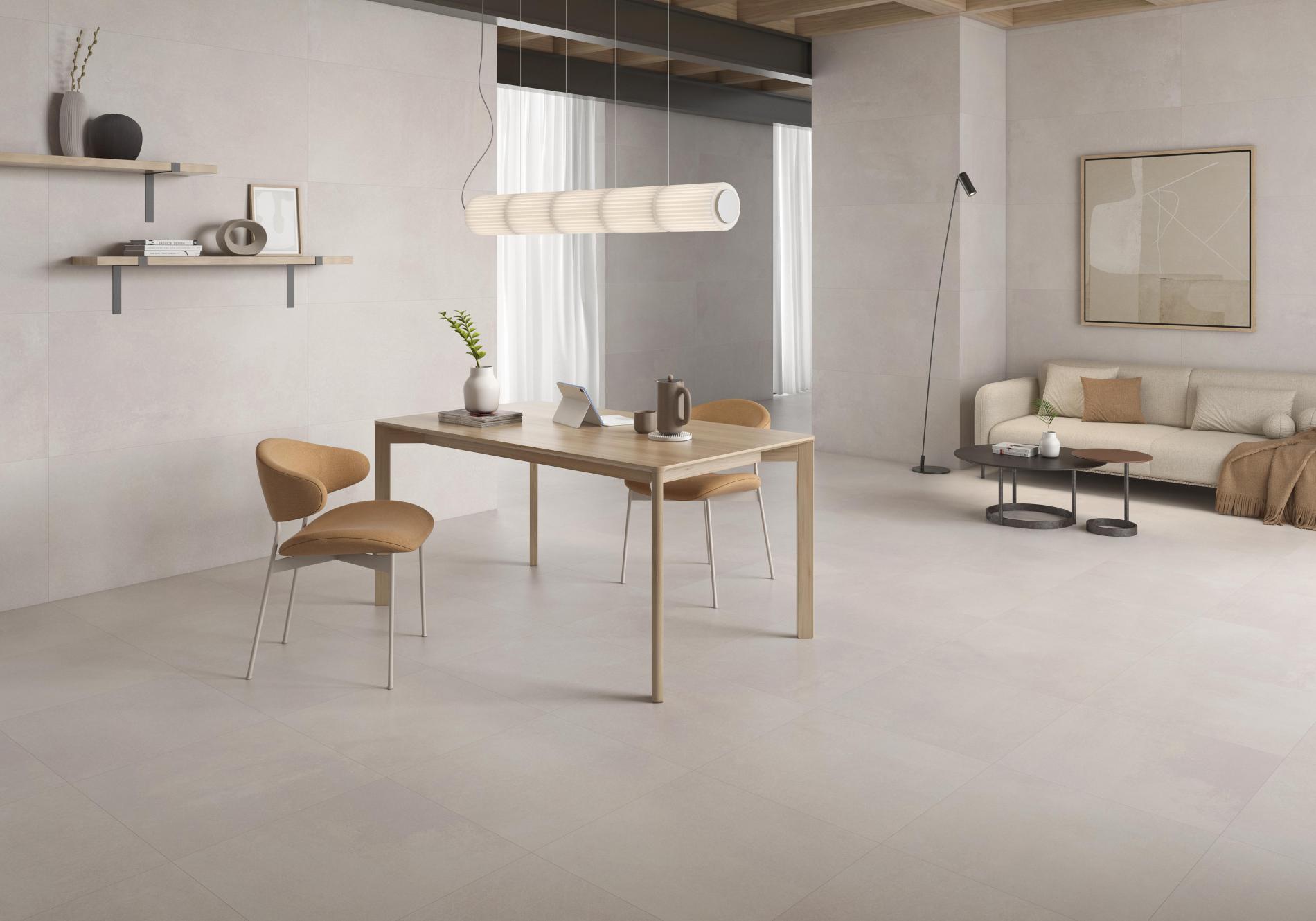
So first of all, what is continuous tiling? Well, this refers to the use of tiles laid in a pattern or design that flows seamlessly across a surface without obvious breaks, interruptions, or mismatched joints. The goal is to create the visual effect of a single, uninterrupted surface. This may be achieved through tiles that are:
- Precisely cut and aligned to match at the edges
- Designed with repeat patterns that align edge-to-edge
- Large format tiles with minimal grout lines
The end result is smooth and cohesive, and it can also enhance spatial perception, and bring a sense of sophistication to your home.
Using continuous tiling in traditional design
When used in a traditional setting, continuous tiling can mimic historical tiling methods while providing a fresh, updated twist. For example:
- Hallways and entrances- Victorian-style encaustic tiles with geometric or floral motifs can be laid to flow continuously down a corridor, preserving the period charm while offering a modern finish.
- Kitchens- In country or shaker-style kitchens, continuous tiling using natural stone or handcrafted ceramics enhances the rustic charm. The seamlessness ensures that the kitchen remains visually calm despite being a high-activity area.
- Bathrooms- Traditional bathrooms can benefit from continuous marble-effect tiles that replicate the look of slab marble at a fraction of the cost, offering elegance with easier maintenance.
Using continuous tiling in contemporary design
Continuous tiling is very popular for modern design schemes. Minimalist interiors, open-plan layouts, and sleek architectural spaces benefit greatly from the sense of continuity and space that this technique provides. You can consider continuous tiling for:
- Open-plan living spaces- Using the same tile throughout living, kitchen, and dining areas helps unify the space. Large-format porcelain tiles in neutral tones can enhance the flow and contribute to a minimalist aesthetic.
- Wet rooms and walk-in showers- Continuous tiling creates a spa-like feel. The use of non-slip large-format tiles across floors and walls reduces grout lines and supports a sleek, seamless look that’s both functional and luxurious.
- Outdoor-indoor continuity- A popular trend involves extending interior flooring to patios and garden paths using the same tiles. Many manufacturers offer frost-proof porcelain ranges that allow for the same tile to be used inside and out, creating a feeling of expanded space and harmony.

Choosing the right tiles for continuous tiling
When planning a continuous tiling project, choosing the right type of tile is crucial to achieving the desired result. Here are some key considerations:
- Tile size and format- Large-format tiles (600x600mm and up) are particularly suited for continuous tiling. They reduce the number of grout lines, contributing to a seamless appearance. Tiles that have been precisely cut to ensure uniform dimensions are ideal as they allow for tight joint spacing.
- Pattern matching- For tiles with patterns or veining (such as marble- or wood-effect tiles), bookmatching or pattern alignment is essential. Always check that the tile range supports continuity by ensuring edges align when laid side by side.
- Grout choice- Even with the tightest joints, grout will still be present. Using a grout that closely matches the colour of the tile helps create the illusion of an unbroken surface. Epoxy grouts are also more stain-resistant and are ideal for kitchens and bathrooms.
- Surface finish- Matte, satin, and polished finishes all contribute differently to the final effect. In high-traffic or wet areas, slip resistance must be considered. Many modern tiles offer anti-slip technology without compromising on a sleek finish.

What are the benefits of continuous tiling?
Choosing continuous tiling brings a wide range of benefits, both aesthetic and practical, including:
- Enhanced visual space- Continuous tiling creates the illusion of a larger space, making it ideal for smaller homes, narrow hallways, or compact bathrooms. This is because the uninterrupted lines draw the eye outward, adding depth and dimension.
- Clean, modern aesthetic- With minimal grout lines and consistent patterns, continuous tiling delivers a sleek, modern look. It can help reduce visual clutter, contributing to a calm and balanced interior.
- Easy maintenance- Fewer grout lines mean fewer places for dirt, mould, or mildew to accumulate, which is especially important for bathrooms and kitchens. This means that when combined with durable materials like porcelain, continuous tiling can be a practical low-maintenance solution.
- Design versatility- Continuous tiling isn’t restricted to floors. It can be extended to walls, splashbacks, shower enclosures, and even ceilings for a high-end, wraparound look. Some designers also use this method on furniture and built-in cabinetry for a cohesive, architectural finish.
- Improved underfloor heating integration- Underfloor heating is a popular upgrade, especially in bathrooms and kitchens. Continuous tiling pairs well with underfloor heating systems, ensuring even heat distribution without disruptive breaks in surface coverage.
For your latest tiling project, why not take a look at our range of tiles today, here at Tiles 2 Go? We are Preston’s leading tiling experts. We offer a range of tiles and tiling services to suit any project, and any budget.